 40+ Years Experience
 Locally-Sourced Materials
 Australian Quality Standard
Choosing the Right Glazing for Different Rooms in Your Home
 When planning new windows or upgrading existing ones, glazing is one of the most important decisions homeowners can make. The type of glazing you choose directly affects comfort, energy efficiency, noise levels, and how each space in your home feels throughout the year. In Melbourne’s varied climate, selecting the right glazing for each room ensures your home performs well in both hot summers and cooler winters.
Rather than applying a single solution across the entire house, thoughtful glazing choices tailored to individual rooms can significantly improve day-to-day living.
Why Glazing Choice Matters Room by Room
Every room in a home serves a different purpose, and glazing should reflect those needs. Factors such as orientation, privacy requirements, noise exposure, and thermal performance all influence which glazing option is most suitable.
Key considerations include:
- How much sunlight the room receives throughout the day
- Whether temperature stability is important
- Exposure to street noise or neighbouring properties
- The level of privacy required
- Moisture and ventilation needs
By assessing these factors early, homeowners can avoid common issues such as overheating, glare, condensation, or unnecessary heat loss.
Living Areas: Balancing Light, Comfort, and Efficiency
Living rooms, family areas, and open-plan spaces typically benefit from generous glazing that maximises natural light. However, without the right glazing, these spaces can become uncomfortably hot in summer or lose warmth in winter.
Well-suited glazing options for living areas include:
- Double glazing to improve thermal insulation and reduce heat transfer
- Low-emissivity coatings to limit heat gain while allowing daylight to enter
- Larger glazed panels combined with appropriate shading for comfort
In Melbourne homes, carefully selected glazing helps maintain a consistent indoor temperature, reducing reliance on heating and cooling systems while keeping spaces bright and inviting.
Bedrooms: Prioritising Comfort and Noise Reduction
Bedrooms require a different approach. While natural light is still important, comfort and quiet are often the top priorities. Poor glazing choices can result in early morning heat, cold draughts, or unwanted noise disrupting sleep.
For bedrooms, glazing should focus on:
- Improved insulation to maintain comfortable overnight temperatures
- Sound-reducing properties for homes near roads or busy areas
- Privacy without blocking daylight
Double glazing plays a key role here, helping create a calm, restful environment while still allowing natural light during the day. Paired with well-designed window placement, it ensures bedrooms remain peaceful year-round.
Kitchens and Bathrooms: Managing Moisture and Ventilation
High-moisture areas such as kitchens, bathrooms, and laundries place unique demands on glazing. Condensation, temperature changes, and the need for ventilation must all be considered to prevent long-term issues.
Effective glazing solutions for these rooms include:
- Glazing that minimises condensation build-up
- Window designs that allow controlled airflow
- Materials that perform well in fluctuating temperatures
In these spaces, the goal is to balance practicality with comfort. Thoughtful glazing choices help maintain healthy indoor air quality while preventing moisture-related damage over time.
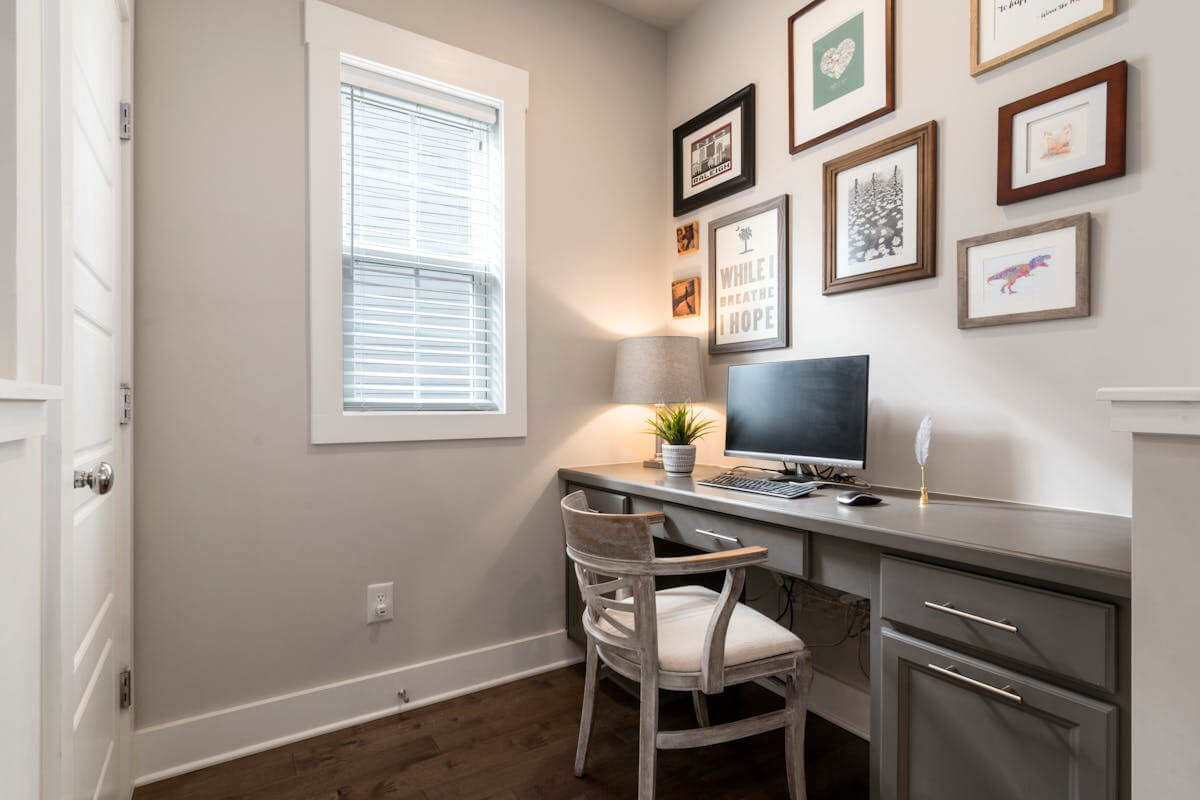
Home Offices and Quiet Spaces: Reducing Distractions
With more Australians working from home, home offices and study areas have become essential parts of modern living. Glazing in these spaces should support concentration and productivity.
Important glazing considerations include:
- Reducing external noise
- Limiting glare on screens
- Maintaining thermal comfort throughout the day
Well-chosen glazing helps create a focused environment that remains comfortable for extended periods, regardless of weather conditions or external activity.
Matching Glazing Choices with Orientation and Lifestyle
Beyond individual rooms, it is important to consider how glazing interacts with your home’s orientation and daily routines. North-facing rooms may benefit from glazing that limits summer heat while capturing winter sun, while south-facing spaces often require better insulation to maintain warmth. East- and west-facing windows may need glazing that reduces glare and overheating during peak sun hours.
Lifestyle also plays a role. Homes with young families, shift workers, or varying schedules benefit from glazing that supports temperature stability and noise reduction throughout the day and night. When glazing choices align with both orientation and lifestyle, homes feel more comfortable, adaptable, and efficient without constant adjustments to heating, cooling, or shading.
A Smarter Approach to Whole-Home Performance
Choosing glazing room by room allows homeowners to optimise performance across the entire home rather than relying on a one-size-fits-all solution. This approach supports better energy efficiency, improved comfort, and long-term value.
Benefits of tailored glazing include:
- More consistent indoor temperatures
- Reduced energy consumption
- Enhanced acoustic comfort
- Better control over light and privacy
By aligning glazing choices with how each space is used, Melbourne homeowners can create homes that feel balanced, functional, and enjoyable all year round.


