 40+ Years Experience
 Locally-Sourced Materials
 Australian Quality Standard
Creating Comfortable Indoor Temperatures Through Thoughtful Window Orientation
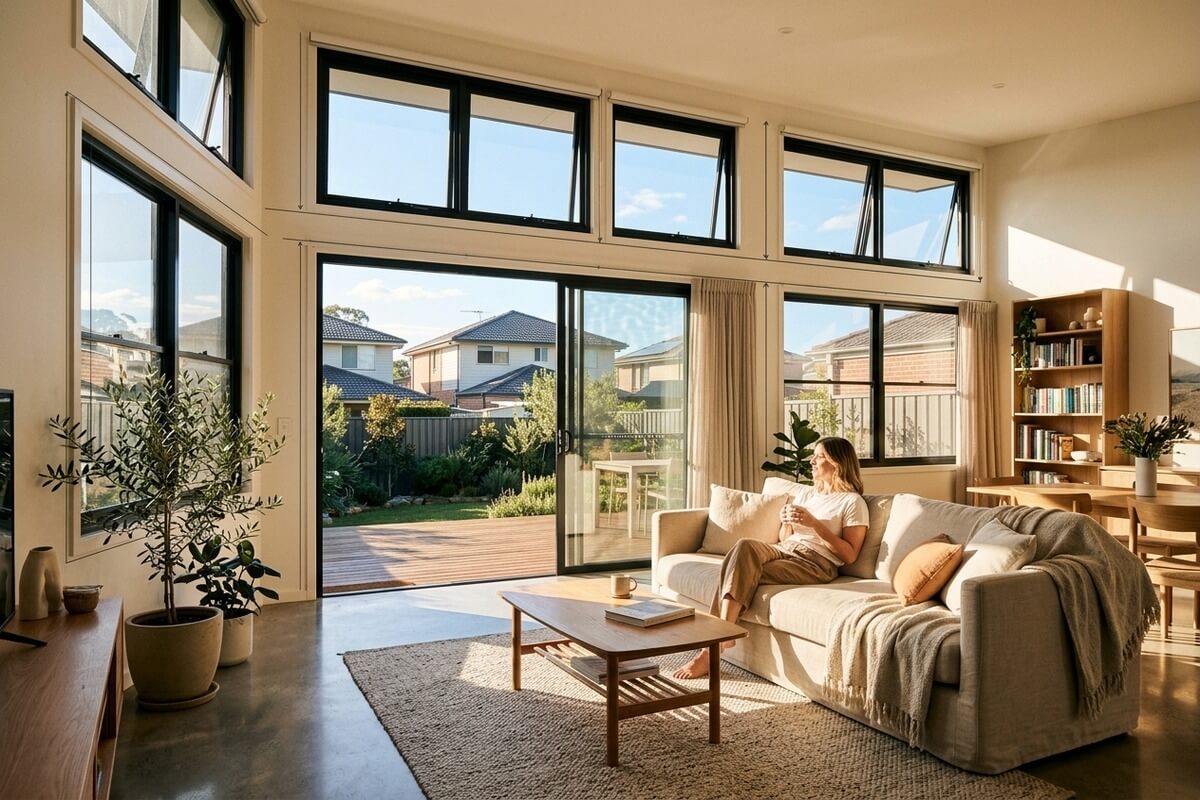 Comfort inside a home is influenced by many design decisions, but one of the most important is window orientation. The direction windows face determines how much sunlight enters the home, how heat moves through the space, and how effectively rooms stay comfortable throughout the day. In cities like Melbourne, where temperatures can vary across seasons, thoughtful window orientation can make a noticeable difference in indoor comfort.
Rather than relying entirely on heating or cooling systems, well-positioned windows allow homeowners to take advantage of natural sunlight and shade. When orientation is carefully planned, windows help regulate indoor temperatures while improving the overall livability of the home.
Understanding the Role of Sunlight
Sunlight is a natural source of warmth and brightness, but its impact on indoor spaces changes depending on the direction a window faces. Throughout the day, the sun moves across the sky, meaning different areas of the home receive varying levels of heat and light.
For example:
- North-facing windows generally receive consistent sunlight throughout the day, providing natural warmth during cooler months.
- East-facing windows capture gentle morning light, which can help warm bedrooms and living areas early in the day.
- West-facing windows tend to receive stronger afternoon sun, which may increase heat in the late afternoon.
- South-facing windows usually experience softer and more consistent light with minimal direct heat gain.
Understanding these patterns allows designers and homeowners to position windows strategically to support a comfortable indoor environment.
Reducing Overheating During Warmer Months
While sunlight can be beneficial, excessive heat gain can make homes uncomfortable during warmer periods. Window orientation helps control this by limiting direct exposure to intense afternoon sun.
Practical design approaches include:
- Placing larger windows where sunlight is beneficial rather than excessive
- Minimising wide west-facing openings that may cause overheating
- Using thoughtful window positioning to reduce glare and heat build-up
- Combining orientation with shading elements such as eaves or external screens
Homes designed with these strategies often remain more comfortable without relying heavily on artificial cooling.
In many modern homes, double glazed windows Melbourne solutions are also used to support temperature control by improving insulation and reducing unwanted heat transfer.
Supporting Natural Temperature Balance
One of the key advantages of thoughtful window orientation is its ability to help maintain balanced indoor temperatures throughout the day.
When windows are positioned strategically, they can:
- Allow winter sunlight to gently warm living spaces
- Reduce sudden temperature fluctuations
- Limit excessive heat gain during peak summer hours
- Maintain comfortable interior conditions with less mechanical assistance
Homes designed with this balance in mind tend to feel naturally comfortable across different seasons.
This is why many homeowners exploring windows Melbourne solutions prioritise orientation as part of the overall design process.
The Role of Window Materials and Glazing
Orientation works best when combined with appropriate materials and glazing options. Window construction influences how effectively heat and light are managed within the home.
For example:
- Aluminium windows are often chosen for their durability and sleek profiles in modern homes.
- High-quality glazing can improve insulation and reduce unwanted heat transfer.
- Double glazing helps maintain indoor temperatures by limiting heat movement between the interior and exterior environments.
These design choices complement orientation strategies by strengthening the home’s ability to manage temperature naturally.
In Melbourne homes, pairing thoughtful orientation with double glazed windows Melbourne systems often results in greater comfort and improved energy performance.
Planning Window Placement for Everyday Living
Orientation decisions should also reflect how different rooms are used throughout the day. The goal is to ensure that sunlight and warmth appear where they are most beneficial.
Considerations may include:
- Positioning living areas where they can benefit from consistent daylight
- Allowing bedrooms to receive softer morning light rather than intense afternoon heat
- Ensuring workspaces and kitchens have balanced natural illumination
- Using window placement to avoid glare on screens or reflective surfaces
When window orientation aligns with daily routines, the entire home becomes easier and more pleasant to live in.
Long-Term Comfort Through Smart Design
Thoughtful window orientation is not just about immediate comfort — it also contributes to the long-term performance of a home. When windows are placed with intention, they reduce reliance on heating and cooling systems while creating healthier indoor environments.
Homes designed around orientation often benefit from:
- More stable indoor temperatures
- Improved natural lighting throughout the day
- Reduced energy consumption for climate control
- Greater overall comfort across seasons
Combined with durable frame options such as aluminium windows, orientation becomes a key design tool that supports both comfort and efficiency.
Designing Homes That Work with the Climate
Window orientation is one of the simplest yet most powerful ways to improve indoor comfort. By understanding how sunlight interacts with the home and placing windows accordingly, designers can create spaces that remain pleasant throughout the year.
Whether incorporating windows Melbourne solutions into a new build or upgrading existing openings with double glazed windows Melbourne, thoughtful orientation helps homes work with the local climate rather than against it. The result is a living environment that feels naturally balanced, comfortable, and well-suited to everyday life.


