 40+ Years Experience
 Locally-Sourced Materials
 Australian Quality Standard
How the Right Glazing Reduces Noise in Your Melbourne Home
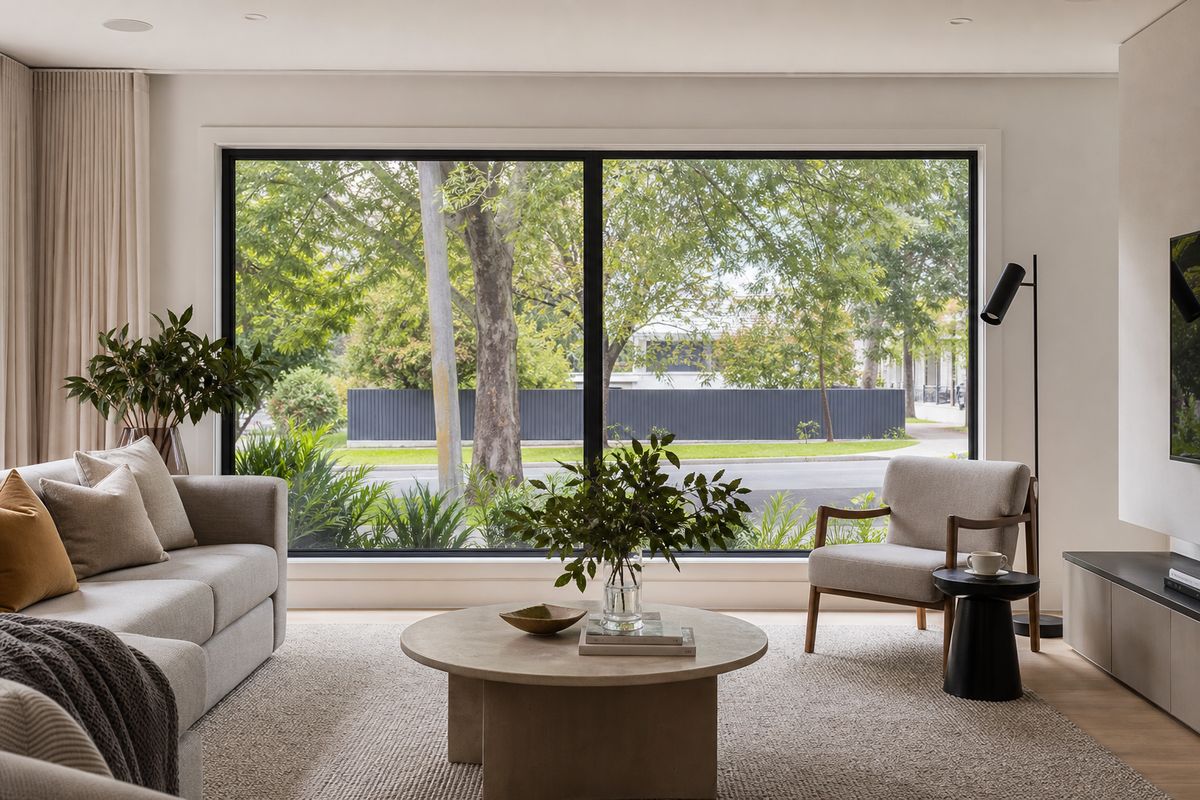 Melbourne is a vibrant city, but that energy can come with unwanted noise. Whether it’s traffic along a busy road in Richmond, trams rattling through Fitzroy, or aircraft paths over the inner suburbs, noise intrusion is one of the most common complaints from homeowners. The good news is that the right window glazing can make a remarkable difference.
How Sound Travels Through Windows
Standard single-glazed windows offer very little resistance to sound. Glass is a relatively rigid material, and sound waves pass through it with ease. The key to noise reduction lies in disrupting the path that sound takes — and that’s where advanced glazing comes in.
Two factors matter most: the thickness of the glass and the space between panes. By manipulating both, you can dramatically reduce how much external noise reaches your living spaces.
Double Glazing for Noise Reduction
Double glazed windows use two panes of glass separated by an insulating air or gas gap. This gap acts as a buffer, absorbing sound energy before it reaches the inner pane. For many Melbourne homes, upgrading to double glazing alone can reduce perceived noise by up to 50 percent.
For even greater noise reduction, the two panes can be different thicknesses. This asymmetry disrupts a wider range of sound frequencies, making the window effective against both low rumbling traffic noise and higher-pitched sounds.
Laminated Acoustic Glass
Laminated glass includes a special interlayer — typically polyvinyl butyral (PVB) — sandwiched between two sheets of glass. This interlayer absorbs vibrations and dampens sound transmission. When combined with double glazing, laminated acoustic glass offers outstanding noise control suitable for even the busiest Melbourne streets.
Homes near main roads in suburbs like Canterbury, Hawthorn, and Carlton often benefit most from this combination. The difference can be genuinely transformative for sleep quality and everyday comfort.
Frame Selection Matters Too
Glazing is only part of the equation. The window frame and how well it seals against the wall opening play a crucial role in noise reduction. Poorly sealed frames allow sound to bypass even the best glazing. Timber frames, with their natural density, offer excellent acoustic performance. Aluminium frames with thermal breaks also perform well when properly installed.
At Valley Windows, we ensure every installation is sealed correctly — because even the finest glazing won’t deliver results if the frame isn’t doing its job. Learn more about our approach to quality in the Valley Windows difference.
Choosing the Right Glazing for Your Home
The ideal glazing solution depends on your specific situation. Homes on quiet residential streets may only need standard double glazing, while properties on arterial roads or near commercial zones might require laminated acoustic options. Consider these factors when making your decision:
- The type and volume of noise you experience
- Which rooms are most affected
- Your budget and whether you’re renovating or building new
- Whether you also want improved thermal performance
The beauty of modern glazing is that noise reduction and condensation prevention come hand in hand with energy efficiency — so you’re solving multiple problems with one upgrade.
A Quieter Home Starts with the Right Windows
With over 40 years of experience crafting windows for Melbourne homes, Valley Windows understands the unique challenges our city presents. Visit our showrooms to experience the difference quality glazing makes, or contact our team for personalised advice on reducing noise in your home.


