 40+ Years Experience
 Locally-Sourced Materials
 Australian Quality Standard
How Window Design Influences the Feeling of Space in Small Homes
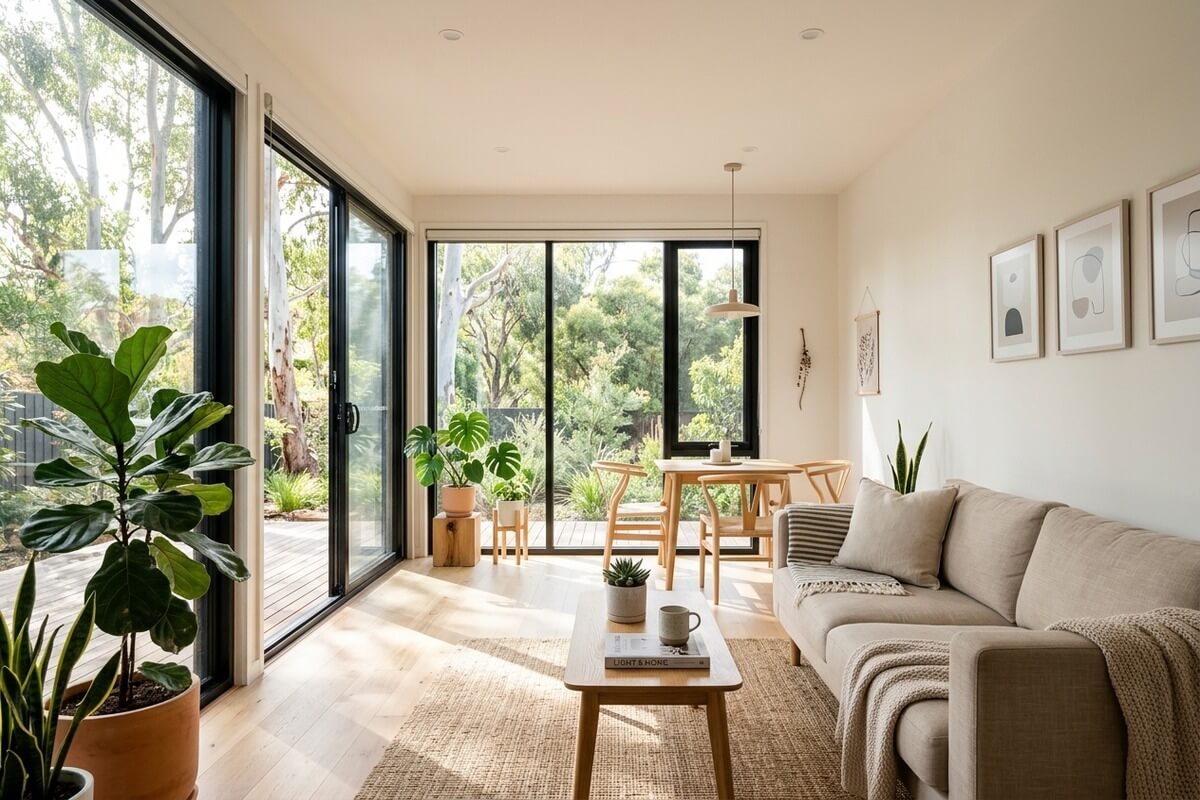 Designing a small home requires careful attention to how every element contributes to the overall sense of space. While layout and furniture choices are important, window design can have an equally powerful impact on how open, bright, and comfortable a home feels. The size, placement, and style of windows can visually expand rooms, improve natural light distribution, and create stronger connections with the outdoors.
When windows are thoughtfully designed, even compact homes can feel spacious and inviting. Rather than focusing solely on floor area, smart window solutions help maximise the perception of space and comfort.
Natural Light and the Perception of Space
Natural light plays one of the most important roles in shaping how large or small a room feels. Dark or poorly lit spaces often appear cramped, while well-lit rooms feel more open and welcoming.
Windows influence this effect by allowing daylight to spread across walls, floors, and ceilings. When light reaches deeper into a room, the boundaries of the space become less visually restrictive.
Good window design helps achieve this by:
- Allowing sunlight to enter from multiple angles
- Distributing light evenly throughout the room
- Reducing shadows in corners and tight spaces
- Creating a brighter, more uplifting interior environment
Many homeowners exploring custom windows Melbourne solutions focus on increasing natural light to improve the sense of openness within smaller homes.
Window Size and Proportion
The size and proportion of windows strongly influence how large a room appears. Larger openings can visually extend the space beyond the walls, especially when they frame outdoor views.
However, balance is important. Oversized windows placed without consideration can disrupt wall space or limit furniture placement. Thoughtful proportions ensure windows enhance the room without overwhelming it.
Effective design strategies include:
- Aligning the window size with the scale of the room
- Using taller windows to emphasise ceiling height
- Placing wider windows where views can extend the visual horizon
- Avoiding cluttered arrangements of small openings
Well-proportioned windows help small rooms feel organised, balanced, and visually comfortable.
Connecting Indoor and Outdoor Spaces
Another powerful way windows influence the feeling of space is by visually linking the interior with the outside environment. When views extend toward gardens, courtyards, or surrounding landscapes, rooms feel less confined.
This visual connection can make even compact living areas appear larger because the eye naturally travels beyond the walls of the home.
Design approaches that support this include:
- Positioning windows to frame outdoor views
- Aligning windows with landscape features or greenery
- Maintaining clean sightlines across interior spaces
- Avoiding heavy framing that interrupts the view
Using modern window systems, such as timber windows designs, often allows homeowners to achieve this balance between structural strength and visual openness.
Frame Design and Visual Lightness
Window frames also contribute to how spacious a room feels. Thick or heavy frames can visually interrupt the glass area, while slimmer profiles help maximise the visible glazing.
This difference can have a noticeable effect in small homes, where every design detail contributes to the overall perception of space.
Benefits of lighter frame designs include:
- Increasing the visible glass area
- Allowing more daylight to enter the room
- Creating cleaner and more contemporary lines
- Maintaining an uncluttered interior appearance
For this reason, many modern homes use double glazed windows with slim frame profiles that combine performance with minimal visual weight.
Strategic Window Placement
The placement of windows throughout the home can significantly influence spatial perception. When windows are positioned carefully, they help distribute light more effectively and prevent areas from feeling enclosed.
Key placement strategies include:
- Positioning windows on multiple walls where possible
- Using higher windows to bring light deeper into the room
- Aligning window heights across adjoining spaces
- Avoiding isolated windows that create uneven lighting
Thoughtful placement ensures that natural light flows smoothly from one area to another, helping small homes feel more cohesive and open.
Supporting a Comfortable Living Environment
Beyond visual effects, good window design also contributes to everyday comfort. Natural light, outdoor views, and fresh air all enhance the overall living experience in smaller homes.
Well-designed windows can:
- Improve indoor brightness during the day
- Create pleasant visual connections with the outdoors
- Support natural airflow and ventilation
- Reduce the need for artificial lighting
These qualities make compact homes feel more pleasant and functional throughout daily life.
Making Small Homes Feel Larger Through Design
Small homes do not need to feel restrictive or crowded. With thoughtful planning, window design can transform compact interiors into bright and comfortable living environments.
By considering factors such as proportion, placement, frame design, and outdoor views, homeowners can maximise the feeling of space even when the floor area is limited. Whether incorporating custom windows Melbourne solutions, elegant timber windows Melbourne, or high-performance double-glazed windows, carefully chosen window designs help create homes that feel open, balanced, and welcoming.
In the end, window design is not just about appearance — it is about shaping how people experience and enjoy the spaces they live in every day.


