 40+ Years Experience
 Locally-Sourced Materials
 Australian Quality Standard
How Window Shapes and Styles Influence the Personality of a Home
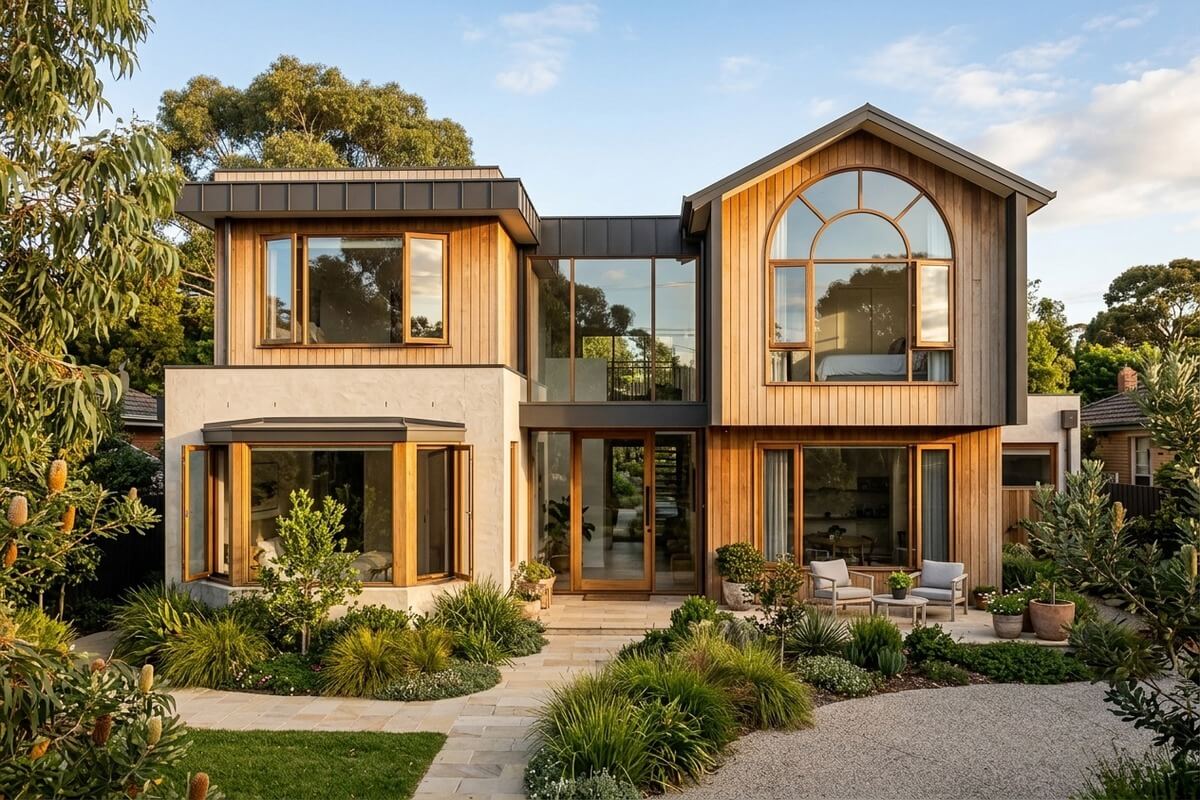 Windows are often described as the eyes of a home. Beyond their practical role of bringing in light and ventilation, the shape and style of windows significantly influence how a home looks and feels. Architectural character, interior atmosphere, and even the perceived scale of a space can all be shaped by thoughtful window design.
From traditional homes to contemporary builds, the selection of window styles plays an important role in defining a property’s personality. Homeowners working with custom windows Melbourne specialists often discover that even subtle design changes can transform the visual identity of a home.
How Window Shapes Define Architectural Character
The shape of a window contributes strongly to the overall style of a building. Different shapes naturally align with different architectural approaches, and choosing the right form helps maintain visual harmony across the home.
For example:
- Tall vertical windows often emphasise height and elegance, making them common in classic or heritage-style homes.
- Wide horizontal windows suit modern architecture by creating clean lines and a sense of openness.
- Square windows offer a balanced and minimalist appearance.
- Feature-shaped windows, such as arches or angled forms, can introduce distinctive architectural character.
When window shapes are aligned with the architectural style of the house, the exterior feels cohesive and thoughtfully designed rather than random or inconsistent.
Creating Visual Balance on the Exterior
Windows also influence how balanced a home appears from the outside. Carefully placed windows create rhythm across the façade, guiding the eye and reinforcing symmetry.
Important design considerations include:
- Aligning window heights across multiple rooms
- Maintaining consistent spacing between windows
- Matching window shapes across different areas of the façade
- Ensuring proportions suit the size of the wall surfaces
When these elements are coordinated well, windows become part of a structured design language that strengthens the home’s architectural presence.
Homes that use timber windows or aluminium windows often benefit from these consistent design principles because the frame materials can highlight the clean lines and proportions of the openings.
Interior Atmosphere and Window Style
Window style does not only affect the exterior of a home. It also plays a major role in shaping the atmosphere inside.
The size, proportion, and arrangement of windows influence how light enters the space and how rooms feel throughout the day. Different styles can subtly guide the mood of an interior.
For example:
- Tall windows can make rooms feel more spacious and elegant.
- Wide windows often create a relaxed, contemporary atmosphere.
- Multiple smaller windows can introduce a sense of rhythm and detail.
- Feature windows can act as visual focal points within a room.
Because windows frame outdoor views and distribute light across surfaces, their style directly affects how comfortable and welcoming interiors feel.
Blending Function with Design
While aesthetics is important, window styles must also support everyday practicality. The best designs balance visual appeal with performance and usability.
Functional considerations may include:
- Easy operation for ventilation
- Placement that suits the layout of furniture and walkways
- Compatibility with modern glazing solutions
- Durability in changing weather conditions
Homeowners choosing custom windows Melbourne solutions often work closely with designers to ensure the selected window styles support both the appearance and functionality of the home.
Choosing the Right Frame Materials
The material used for window frames also influences the final appearance of the design. Different materials contribute their own texture, colour, and visual weight.
For example:
- Timber windows are often associated with warmth and traditional character.
- Aluminium windows typically complement contemporary architecture through clean lines and slim profiles.
- Neutral finishes allow windows to blend seamlessly with surrounding materials such as brick, render, or timber cladding.
Selecting the right material ensures that window shapes and styles remain consistent with the broader architectural concept of the home.
Creating a Cohesive Design Throughout the Home
One of the most effective ways to strengthen a home’s personality is through consistency. When window shapes and styles are thoughtfully coordinated across the property, the result feels intentional and well-designed.
Consistency can be achieved by:
- Repeating similar window shapes throughout the home
- Maintaining consistent frame finishes
- Aligning window heights across different rooms
- Coordinating window design with doors and other architectural features
This approach ensures that windows and doors contribute to a unified architectural story rather than appearing as unrelated elements.
The Lasting Impact of Thoughtful Window Design
Window shapes and styles may seem like small design choices, but their influence on a home’s personality is significant. They shape how the building is perceived from the outside and how comfortable the interior feels for the people who live there.
By carefully considering proportions, materials, and placement, homeowners can ensure that windows enhance both architectural character and everyday living. Whether through classic timber windows, sleek aluminium windows, or tailored custom windows Melbourne designs, thoughtful window selection helps create homes that feel balanced, welcoming, and visually distinctive.


