 40+ Years Experience
 Locally-Sourced Materials
 Australian Quality Standard
How Window Placement and Size Influence Energy Efficiency in Melbourne Homes
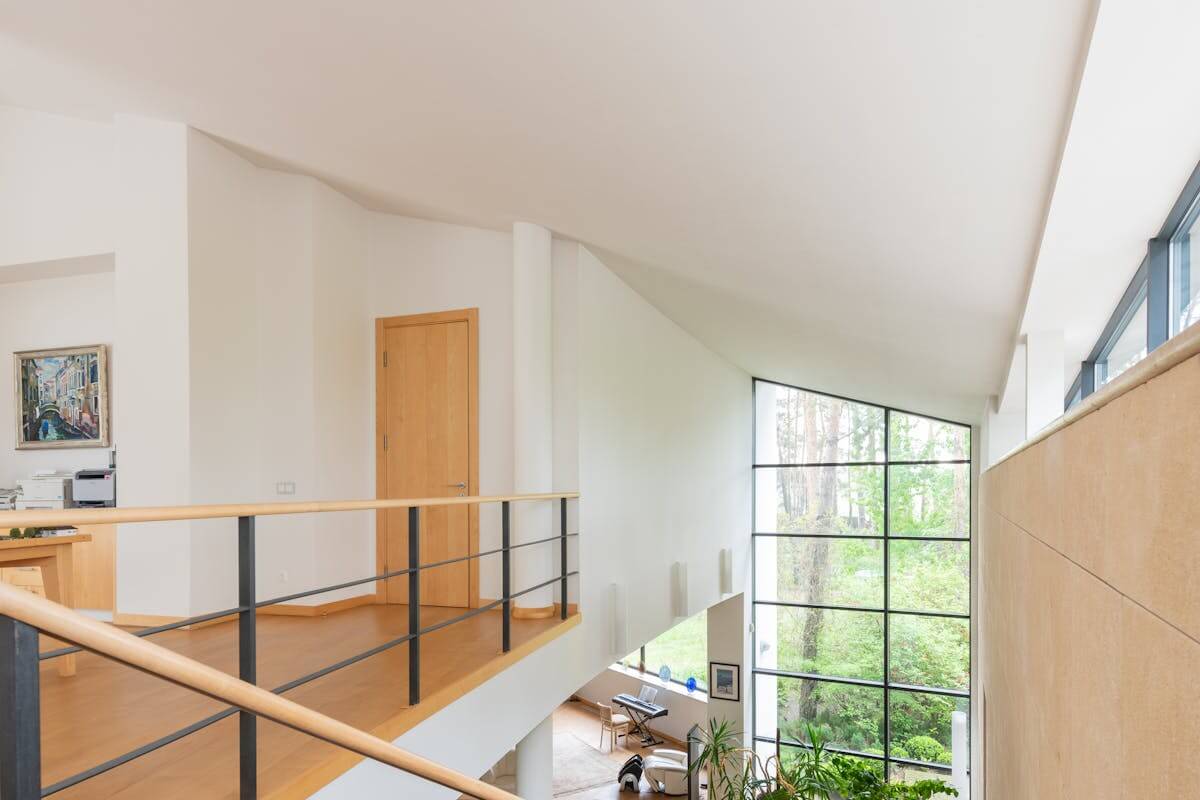 When homeowners think about improving energy efficiency, insulation and appliances often come to mind first. However, one of the most influential design elements is often overlooked: window placement and size. In Melbourne homes, where weather conditions can shift from cool winters to warm summers, thoughtful window design plays a major role in maintaining comfortable indoor temperatures and reducing energy consumption.
Well-designed windows allow homes to benefit from natural heat and light when needed, while limiting heat loss or excessive heat gain throughout the year. By carefully considering where windows are positioned and how large they are, homeowners can significantly improve comfort and long-term energy performance.
Understanding Orientation and Sun Exposure
In Melbourne’s climate, orientation is one of the most important factors influencing energy efficiency. The direction your windows face affects how much sunlight enters your home during different seasons.
Key orientation principles include:
- North-facing windows receive consistent sunlight throughout the day, making them ideal for living areas where warmth and natural light are beneficial.
- East-facing windows capture morning sun, which can help warm bedrooms and kitchens early in the day.
- West-facing windows receive strong afternoon sun, which may cause overheating if not properly shaded.
- South-facing windows receive minimal direct sunlight and are best used sparingly or combined with good insulation.
By aligning window placement with the sun’s path, homes can naturally regulate indoor temperatures, reducing reliance on heating and cooling systems.
The Impact of Window Size on Energy Performance
Window size has a direct influence on energy efficiency. While large windows are excellent for natural light and views, they must be carefully balanced to avoid unwanted heat transfer.
Considerations when choosing window size include:
- Larger windows can increase solar heat gain in winter, helping to warm interiors naturally.
- Excessively large openings without proper glazing may lead to heat loss during colder months.
- Smaller or strategically placed windows can help control temperature in areas prone to overheating.
- Floor-to-ceiling glazing should be paired with performance glass to maintain thermal comfort.
In Melbourne homes, the goal is not simply bigger windows, but smarter sizing that enhances daylight while maintaining thermal balance year-round.
Glazing and Frame Choices That Support Efficiency
Window placement and size work best when supported by the right materials and glazing options. Energy-efficient glazing significantly reduces heat transfer while still allowing natural light to flow through the home.
Effective options include:
- Double glazing, which improves insulation and reduces heat loss in winter and heat gain in summer.
- Low-emissivity coatings, which reflect heat while allowing daylight to pass through.
- Thermally broken aluminium frames, which minimise heat transfer through the frame.
- Timber frames, which naturally insulate and contribute to stable indoor temperatures when properly sealed.
Combining thoughtful placement with high-performance glazing ensures windows actively contribute to a home’s energy efficiency rather than working against it.
Room-by-Room Planning for Better Results
Different rooms have different energy needs, and window placement should reflect how each space is used throughout the day.
Smart planning tips include:
- Living areas benefit from generous north-facing windows to maximise daylight and warmth.
- Bedrooms often work best with east-facing windows for gentle morning light.
- Bathrooms and utility spaces may require smaller windows that provide ventilation without unnecessary heat loss.
- Home offices benefit from balanced natural light to reduce artificial lighting without glare.
By tailoring window design to each room’s function, homeowners can create spaces that feel comfortable, efficient, and well-lit at all times.
Long-Term Benefits of Thoughtful Window Design
Investing in well-planned window placement and sizing delivers long-term benefits beyond energy savings. Homes designed with efficiency in mind often experience improved comfort, lower energy bills, and greater resale appeal.
Benefits include:
- Reduced reliance on heating and cooling systems
- More consistent indoor temperatures throughout the year
- Enhanced natural light and improved wellbeing
- Increased property value through smarter, sustainable design
In Melbourne’s evolving housing market, energy-conscious design is becoming increasingly important, making window planning a valuable investment.
Final Thoughts
Window placement and size have a powerful influence on how energy-efficient a home feels and performs. By considering orientation, proportions, glazing, and room function, Melbourne homeowners can create interiors that stay comfortable throughout the seasons while reducing energy use. Thoughtful window design isn’t just about aesthetics — it’s about creating homes that work in harmony with the environment, delivering comfort, efficiency, and long-term value for years to come.


