 40+ Years Experience
 Locally-Sourced Materials
 Australian Quality Standard
Designing Open-Plan Living Spaces Using Sliding and Bifold Door Systems
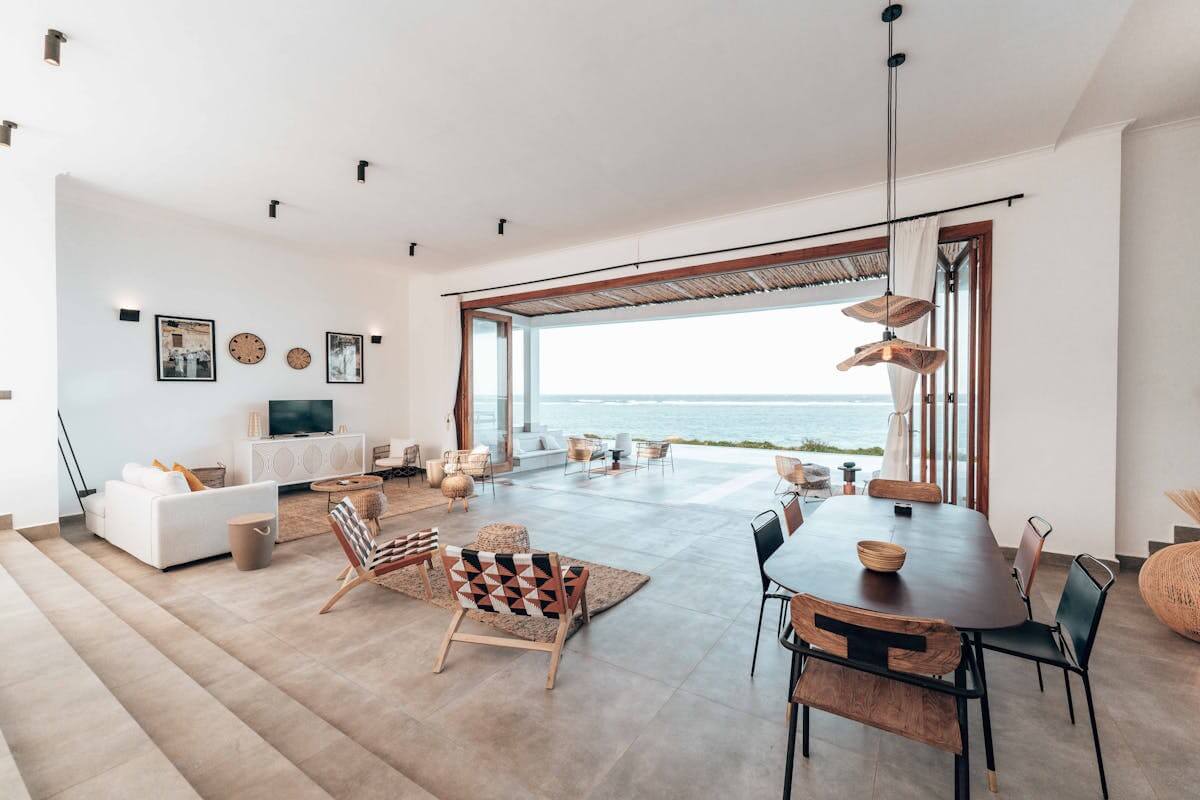 Open-plan living has become a defining feature of contemporary homes, particularly in Melbourne, where flexibility and space efficiency are highly valued. Sliding and bifold door systems play a central role in shaping how open-plan areas function, connect, and adapt to everyday living. When designed thoughtfully, these systems do far more than open and close spaces — they help organise movement, improve usability, and enhance the overall experience of the home.
Rather than simply separating rooms, sliding and bifold doors allow spaces to expand, contract, and respond to changing needs throughout the day.
Supporting Flow and Movement Within the Home
One of the key benefits of sliding and bifold doors in open-plan layouts is their ability to support natural movement. Traditional hinged doors can interrupt circulation, while sliding and bifold systems create smoother transitions between zones.
They help:
- Maintain clear walkways without door swing interference
- Improve accessibility between the living, dining, and kitchen areas
- Allow spaces to open fully for gatherings or close for privacy
- Reduce visual clutter in high-traffic areas
By minimising physical barriers, these systems help open-plan homes feel more intuitive and comfortable to navigate.
Defining Zones Without Breaking Openness
Open-plan spaces still require subtle zoning to function well. Sliding and bifold doors provide a flexible way to separate areas without sacrificing openness or light.
Design benefits include:
- Temporary separation between the kitchen and the living areas
- Acoustic control during work or entertaining
- Visual continuity even when doors are closed
- Adaptable boundaries that respond to daily routines
This ability to define zones without permanent walls ensures open-plan living remains both practical and visually cohesive.
Adapting Spaces for Different Lifestyles
Modern households often use the same space for multiple purposes. Sliding and bifold door systems allow rooms to adapt to changing activities and lifestyles.
They support:
- Flexible home offices within living zones
- Quiet areas for relaxation or study
- Open entertaining spaces for social occasions
- Separation between adult and family areas when needed
By offering control over openness, these systems help homes evolve alongside their occupants rather than feeling fixed or limiting.
Visual Continuity and Interior Design Harmony
Beyond functionality, sliding and bifold doors influence how interiors are perceived visually. Their profiles, finishes, and alignment with architectural lines contribute to a cohesive design language.
Well-integrated systems can:
- Align with ceiling heights and joinery lines
- Complement cabinetry, flooring, and wall finishes
- Enhance symmetry and proportion within rooms
- Create uninterrupted sightlines across open spaces
When design elements are aligned, open-plan interiors feel calmer, more organised, and visually balanced.
Managing Acoustics and Comfort
Noise control is a common challenge in open-plan homes. Sliding and bifold doors help manage sound without permanently enclosing spaces.
They allow homeowners to:
- Reduce kitchen or entertainment noise when needed
- Create quiet zones for work or rest
- Improve acoustic comfort without heavy construction
- Maintain flexibility without sacrificing usability
This balance between openness and acoustic comfort makes open-plan living more sustainable in the long term.
Long-Term Flexibility in Open-Plan Design
As families grow and lifestyles change, open-plan spaces must remain adaptable. Sliding and bifold door systems provide long-term flexibility without major renovations.
Their benefits include:
- Easy reconfiguration of spaces over time
- Support for future layout changes
- Minimal visual disruption as needs evolve
- Continued relevance across different life stages
By investing in flexible door systems, homeowners ensure their open-plan layouts remain functional, comfortable, and relevant for years to come.
Enhancing Everyday Practicality in Shared Spaces
In open-plan homes, practicality is just as important as aesthetics. Sliding and bifold door systems help manage daily activities without disrupting the overall flow of the space. For example, they allow cooking areas to be temporarily closed during meal preparation while still maintaining visual connection with adjacent living zones.
These systems also support better climate control by allowing sections of the home to be closed off when heating or cooling is required in specific areas. This practical flexibility makes open-plan living more comfortable, efficient, and easier to manage on a day-to-day basis, particularly in busy households with varying routines.
Creating Balanced Open-Plan Living
Sliding and bifold doors are not just architectural features; they are tools that shape how open-plan homes function and feel. When thoughtfully integrated, they enhance movement, adaptability, and visual harmony while preserving the openness that defines modern living.
In well-designed homes, these systems strike the perfect balance between connection and separation, allowing spaces to respond naturally to everyday life.


