 40+ Years Experience
 Locally-Sourced Materials
 Australian Quality Standard
Timber Species Guide
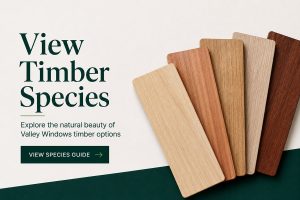
The Timbers Used by Valley Windows
Valley Windows manufactures windows and doors using carefully selected timber species suited to Australian conditions and architectural applications.
Our primary timber options include:
- Tasmanian Oak
- Western Red Cedar
- Blackbutt
- Accoya – Coming Soon
- Merbau (used only for window and door sills)
Understanding Timber Performance
Before comparing timber species, it helps to understand a few important timber characteristics.
Durability
Durability refers to how well timber resists:
- Rot
- Moisture
- Termites
- Weather exposure
Higher durability timbers are ideal for exposed external applications.
Stability
Timber naturally expands and contracts with temperature and moisture changes.
More stable timbers are less likely to:
- Warp
- Twist
- Swell
- Shrink
This is especially important for windows and doors that need to open and close smoothly year-round.
Density & Hardness
Dense hardwoods are typically:
- Stronger
- More impact resistant
- Longer wearing
Softer timbers are often easier to work with and may provide better thermal insulation.
Maintenance
Different timbers require different levels of maintenance depending on:
- Exposure to sun and weather
- Paint or stain systems
- Timber stability
- Environmental conditions
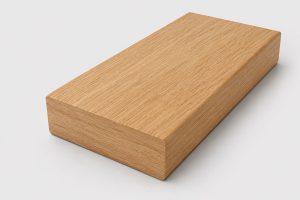
Tasmanian Oak
Tasmanian Oak (Australian Hardwood)
Light, Versatile and Timeless
Appearance
Tasmanian Oak is known for its light, neutral tones ranging from pale cream to light brown, often with subtle pink undertones.
Its clean appearance makes it one of the most versatile timbers for interior and architectural design.
Best For
- Internal feature windows
- Painted finishes
- Contemporary interiors
- Heritage homes
- Warm minimalist designs
Why Homeowners Love Tasmanian Oak
Tasmanian Oak is prized for its workability and beautiful finish.
It machines, sands, stains and paints exceptionally well, making it ideal for custom joinery and premium interior applications.
Its lighter colour palette allows homeowners to achieve either natural Scandinavian-inspired aesthetics or painted finishes.
Timber Density
- Unseasoned density: approximately 1050kg/m³
- Seasoned density: approximately 650kg/m³
Tasmanian Oak offers a good balance between strength, workability and stability, making it highly versatile for architectural joinery.
Bushfire Rating
- BAL 19
Key Benefits
- Smooth finish quality
- Excellent for painting and staining
- Clean contemporary appearance
- Stable and versatile
- Australian hardwood character
Things to Consider
Tasmanian Oak has lower natural durability than some external hardwoods, making protective coatings and maintenance especially important for exposed applications.
Ideal Architectural Style
Tasmanian Oak suits:
- Scandinavian interiors
- Coastal homes
- Heritage renovations
- Contemporary minimalist homes
- Light-filled architectural spaces
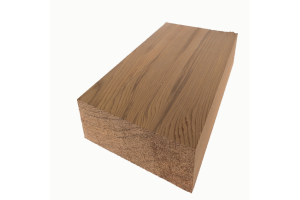
Western Red Cedar
Western Red Cedar
Lightweight Beauty with Natural Insulation
Appearance
Western Red Cedar ranges from reddish brown to pinkish brown and often features rich colour variation and striking grain patterns.
Best For
- Feature windows and doors
- Coastal homes
- Lightweight joinery
- Energy-efficient homes
- Feature architectural designs
Why Homeowners Love Western Red Cedar
Western Red Cedar is renowned for its natural beauty and excellent thermal insulation properties.
Despite being lightweight, it performs exceptionally well outdoors thanks to its natural resistance to moisture, decay and insects.
Its dimensional stability means it resists swelling and shrinking better than many traditional timbers.
Timber Density
- Unseasoned density: approximately 490kg/m³
- Seasoned density: approximately 350kg/m³
Western Red Cedar is a lightweight softwood, which contributes to its excellent insulation properties and dimensional stability.
Bushfire Rating
- BAL 29 (Limited BAL 40 available)
Key Benefits
- Naturally lightweight
- Excellent insulation performance
- Highly stable
- Resistant to decay and insects
- Beautiful natural colour variation
- Suitable for internal and external applications
Things to Consider
Western Red Cedar is softer than hardwoods such as Blackbutt, so it may mark more easily in high-traffic environments.
Ideal Architectural Style
Western Red Cedar works beautifully in:
- Coastal homes
- Mountain retreats
- Contemporary architecture
- Pavilion homes
- Homes with natural exterior finishes
Blackbutt
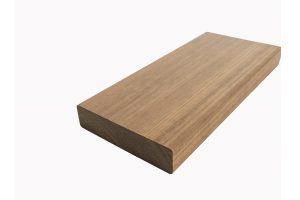
Blackbutt
Durable Australian Hardwood with Natural Warmth
Appearance
Blackbutt features attractive tones ranging from golden yellow to pale brown, occasionally with soft pink undertones.
It has a generally straight grain and even texture that creates a warm and natural appearance.
Best For
- Modern Australian homes
- Large timber window suites
- External applications
- Durable hardwood joinery
- Homes requiring strong Australian hardwoods
Why Homeowners Love Blackbutt
Blackbutt is one of Australia’s most popular native hardwoods because it combines strength, durability and beautiful natural colour.
It is highly versatile and performs well in both structural and decorative applications.
Blackbutt offers excellent durability above ground and is naturally termite resistant, making it suitable for Australian conditions.
Timber Density
- Unseasoned density: approximately 1100kg/m³
- Seasoned density: approximately 900kg/m³
Blackbutt is considered a dense Australian hardwood, contributing to its strength, durability and long service life.
Bushfire Rating
- BAL 29
Key Benefits
- Strong and durable hardwood
- Attractive natural grain
- Australian native timber
- Long service life
- Good termite resistance
- Suitable for internal and external applications
Things to Consider
As a dense hardwood, Blackbutt may experience some surface checking if exposed to harsh weather without proper coating maintenance.
Professional finishing and regular maintenance help maximise performance and appearance.
Ideal Architectural Style
Blackbutt suits:
- Contemporary Australian homes
- Natural timber facades
- Rural homes
- Modern extensions
- Indoor-outdoor living designs
Accoya
Accoya – Coming Soon
Engineered Timber Designed for Performance
Appearance
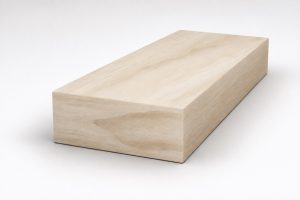
Accoya has a clean, refined appearance with a pale natural colour that suits both contemporary and traditional homes.
Best For
- High-end architectural homes
- Coastal environments
- External windows and doors
- Projects requiring minimal maintenance
- Long-term durability
Why Homeowners Love Accoya
Accoya is one of the most advanced timber products available today. Through a specialised acetylation process, the timber is modified to dramatically improve durability and stability.
This makes Accoya highly resistant to:
- Rot
- Swelling
- Warping
- Movement from moisture changes
Accoya windows and doors maintain smooth operation year-round, even in challenging coastal or humid environments.
Timber Density
Accoya is a modified timber product designed for exceptional stability rather than extreme density. Its engineered structure delivers high performance while remaining workable and lightweight compared with many dense Australian hardwoods.
Bushfire Rating
- BAL Low
Key Benefits
- Exceptional dimensional stability
- Extremely low maintenance
- Long coating life for paints and stains
- Sustainable and responsibly sourced
- Excellent thermal performance
- 50-year above-ground warranty
Ideal Architectural Style
Accoya works beautifully in:
- Contemporary homes
- Coastal homes
- Hamptons-style homes
- Luxury architectural projects
Merbau
Merbau
Used by Valley Windows for Window & Door Sills Only
Important Note
At Valley Windows, Merbau is used exclusively for window and door sills.
It is not used for complete window or door frames.
Why Merbau is Used for Sills
Merbau is an extremely durable hardwood with excellent resistance to moisture and weather exposure.
Because sills experience high levels of water exposure and environmental wear, Merbau provides outstanding long-term performance in these critical areas.
Key Benefits of Merbau Sills
- Highly durable hardwood
- Excellent moisture resistance
- Strong and stable
- Long service life
- Resistant to termites
- Performs well in exposed locations
Timber Density
- Unseasoned density: approximately 1150kg/m³
- Seasoned density: approximately 860kg/m³
Merbau is an extremely dense and durable hardwood, making it ideal for exposed sill applications where long-term weather resistance is essential.
Appearance
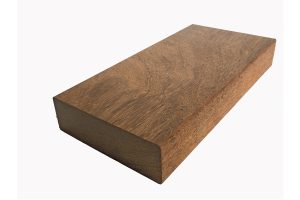
Merbau features rich reddish-brown tones that deepen over time.
Its distinctive grain and colour create a premium finish that complements many timber species.
Timber Finishes
The finish applied to timber windows and doors plays a major role in both appearance and longevity.
Paint Finishes
Paint provides:
- Maximum weather protection
- Consistent colour
- Modern appearance
- Longer coating life
Lighter paint colours generally perform better in Australia’s harsh climate.
Stain Finishes
Stains allow the natural grain to remain visible while enhancing the timber’s character.
Stained finishes often require more regular maintenance than painted systems due to UV exposure.
Natural Finishes
Some homeowners prefer clear coatings to showcase natural timber colour and grain.
These finishes create a warm organic appearance but require more frequent maintenance.
Timber Maintenance Tips
Proper maintenance helps timber windows and doors last for decades.
Recommended Maintenance
- Wash frames regularly to remove dirt and salt
- Inspect coatings annually
- Recoat when signs of wear appear
- Ensure drainage systems remain clear
- Keep moving parts clean and lubricated
Homes located near the coast or in high UV environments may require more frequent maintenance.
Sustainability & Environmental Benefits
Timber remains one of the most environmentally responsible building materials available.
Responsibly sourced timber:
- Stores carbon
- Requires less energy to produce than aluminium
- Is renewable and recyclable
- Offers excellent thermal performance
Valley Windows supports the use of responsibly sourced and sustainably managed timber products.
Choosing the Right Timber for Your Home
The best timber for your project depends on several factors:
- Architectural style
- Budget
- Maintenance expectations
- Exposure to weather
- Desired finish
- Coastal or inland location
For example:
- Accoya is ideal for premium low-maintenance performance
- Blackbutt provides durable Australian hardwood character
- Tasmanian Oak offers versatility and light tones
- Western Red Cedar creates warmth and insulation benefits
- Merbau delivers exceptional sill durability
Why Choose Valley Windows
Valley Windows combines quality craftsmanship with premium timber selection to manufacture custom windows and doors designed for Australian conditions.
We work closely with homeowners, builders and architects to ensure every project achieves the right balance of:
- Performance
- Durability
- Style
- Energy efficiency
- Natural beauty
Our team can help guide you through the timber selection process to ensure your windows and doors suit both your home and lifestyle.
Final Thoughts
Timber windows and doors are an investment in the character and comfort of your home.
Each timber species offers unique qualities, from the advanced performance of Accoya to the warmth of Blackbutt and the timeless versatility of Tasmanian Oak.
By understanding the differences between timber types, homeowners can make more informed decisions and choose windows and doors that will perform beautifully for many years to come.
For more information about timber windows and doors, contact Valley Windows to discuss the best timber option for your project.