 40+ Years Experience
 Locally-Sourced Materials
 Australian Quality Standard
Understanding Window Energy Ratings: A Guide for Melbourne Homeowners
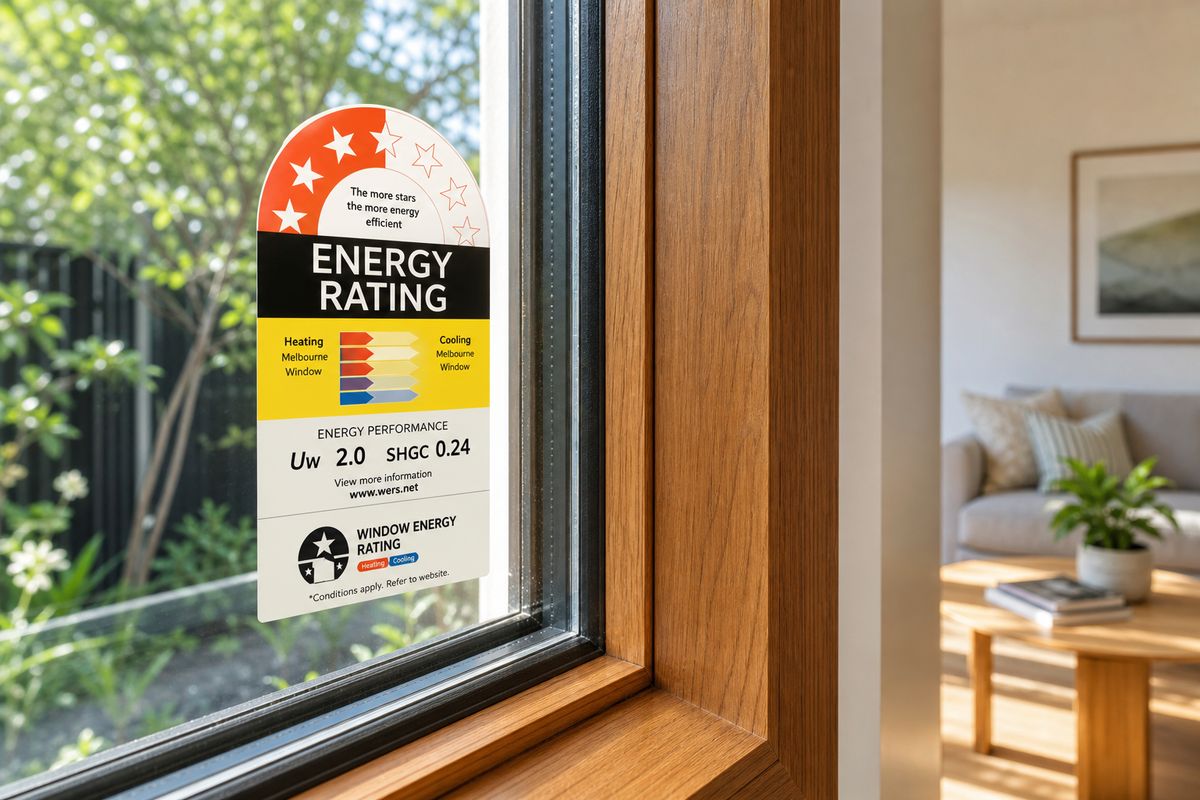 When choosing new windows for your Melbourne home, energy ratings can feel overwhelming. Terms like U-value, SHGC and WERS appear on product specifications, but what do they actually mean for your comfort and energy bills? Understanding these ratings helps you make informed decisions and choose windows that genuinely perform well in Melbourne’s climate.
At Valley Windows, we help homeowners navigate these choices every day. Here is a straightforward guide to understanding window energy ratings and why they matter for your home.
Why Energy Ratings Matter in Melbourne
Melbourne experiences a wide temperature range — from cold, wet winters to warm summers with occasional heatwaves. Your windows are one of the biggest factors in how well your home maintains a comfortable temperature. Poorly performing windows can account for up to 40 percent of a home’s heating energy loss in winter and significant heat gain in summer.
Choosing windows with strong energy ratings means lower heating and cooling costs, reduced condensation, and a more comfortable home throughout the year. For new builds and major renovations, energy-rated windows are also essential for meeting current NCC (National Construction Code) requirements.
U-Value: Measuring Heat Transfer
The U-value measures how much heat passes through a window. It is expressed in watts per square metre per degree Kelvin (W/m²K). A lower U-value means less heat escapes in winter and less heat enters in summer — which is exactly what you want in Melbourne.
Single glazed windows typically have a U-value around 5.0 to 6.0, while quality double glazed windows achieve U-values between 1.5 and 3.0 depending on the glass type and frame material. Timber frames naturally insulate better than aluminium, which is one reason they consistently deliver excellent energy performance.
SHGC: Solar Heat Gain Coefficient
The Solar Heat Gain Coefficient measures how much solar radiation passes through a window. It is expressed as a number between 0 and 1. A higher SHGC means more solar heat enters your home, while a lower SHGC blocks more of it.
The ideal SHGC depends on the window’s orientation and your priorities. For north-facing windows in Melbourne, a moderate SHGC (around 0.4 to 0.6) allows beneficial winter sun to warm your rooms while still limiting summer overheating. For west-facing windows that cop harsh afternoon sun, a lower SHGC helps keep rooms cooler.
WERS: The Window Energy Rating Scheme
WERS is Australia’s own window rating system, managed by the Australian Window Association. It provides a star rating from 0 to 10 for both heating and cooling performance. The higher the star rating, the better the window performs in that category.
WERS ratings are specific to Australian conditions and climate zones, making them particularly relevant for Melbourne homeowners. When comparing products, look for windows with high heating stars (important for Melbourne’s cool winters) and respectable cooling stars for summer comfort.
Frame Material Makes a Difference
The frame material significantly impacts a window’s overall energy performance. Timber window frames are natural insulators — their cellular structure traps air, reducing heat transfer through the frame itself. This gives timber windows a performance advantage over aluminium frames, which conduct heat readily.
Aluminium frames with thermal breaks offer improved performance, but timber remains the preferred choice for homeowners in suburbs like Kew, Hawthorn and South Yarra who want both energy efficiency and the warm aesthetic that only real timber provides.
Valley Windows has been manufacturing quality timber and aluminium windows in Melbourne for over 40 years. Our team can recommend the right frame and glazing combination for each room in your home, based on orientation, exposure and your specific comfort goals.
Glazing Options and Their Impact
Beyond the frame, the glass itself plays a major role in energy performance. Common glazing options include:
Double glazing — two panes of glass with an insulating air or gas gap between them. This is the most popular upgrade for Melbourne homes and delivers significant improvements in both U-value and acoustic performance.
Low-E glass — a microscopically thin metallic coating that reflects heat back into the room in winter and reduces solar heat gain in summer. Low-E coatings can be combined with double glazing for excellent all-round performance.
Argon gas fill — replacing the air between double glazed panes with argon gas further reduces heat transfer, improving the U-value by around 10 to 15 percent.
Choosing the Right Combination for Your Home
Every home is different. A heritage cottage in Richmond will have different requirements to a new build in Glen Iris. Factors to consider include:
- Which direction each window faces
- How much shading exists from eaves, trees or neighbouring buildings
- Whether the home has existing insulation in walls and ceilings
- Your budget and priorities — comfort, energy savings, or both
The best approach is to discuss your project with a manufacturer who understands Melbourne’s climate zones and building requirements. Visit one of our Melbourne showrooms to compare glazing and frame options in person, or contact us for tailored advice on achieving the best energy ratings for your home.
Investing in well-rated windows is one of the smartest upgrades you can make — delivering comfort, savings, and lasting value for your Melbourne home.


