 40+ Years Experience
 Locally-Sourced Materials
 Australian Quality Standard
Choosing Between Timber and Aluminium for a Cohesive Home Design
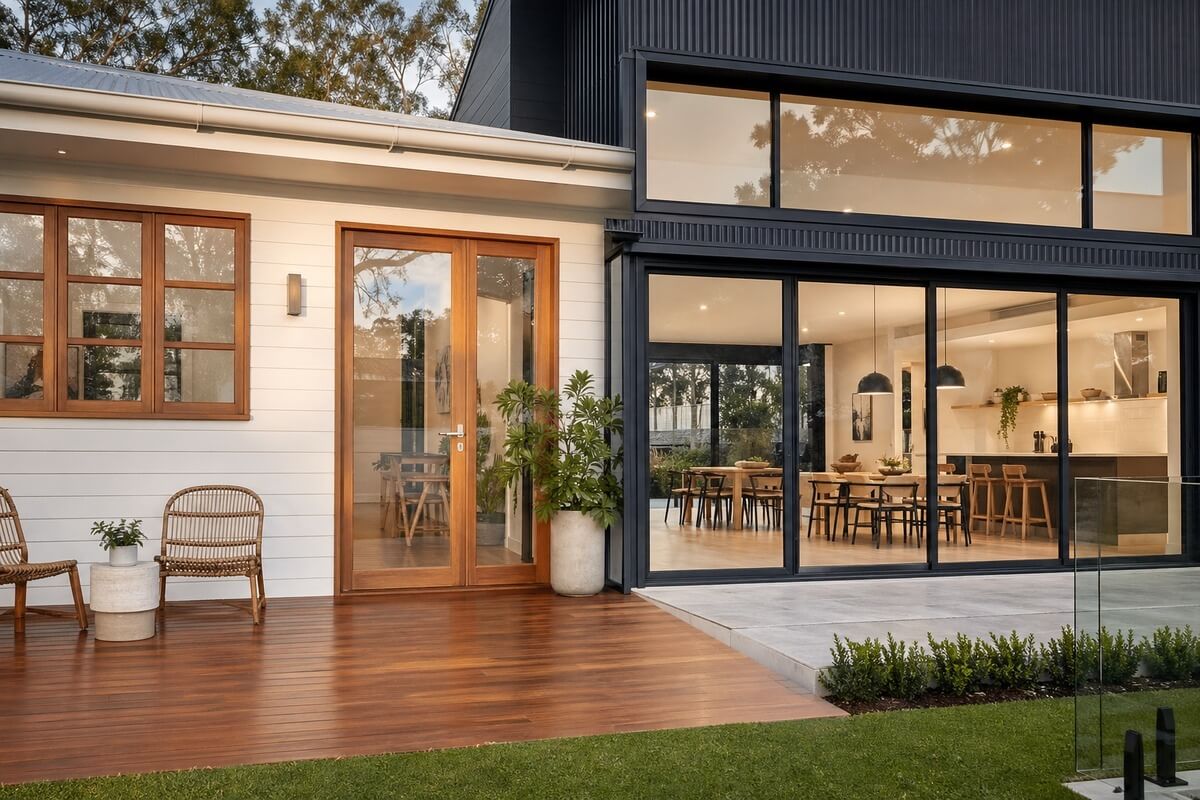 Creating a cohesive home design involves more than selecting colours or furniture. Every architectural element, including windows and doors, contributes to how a space looks and feels. One of the most important decisions homeowners face is choosing between timber and aluminium for window and door systems. Each material offers distinct visual and functional qualities, and the right choice can significantly enhance the overall harmony of a home.
Rather than focusing purely on performance, this decision is often about how materials align with the architectural style, interior finishes, and long-term vision for the property.
Understanding the Visual Impact of Materials
Timber and aluminium create very different visual impressions. Timber is often associated with warmth, texture, and natural character, while aluminium is known for its clean lines and modern appeal.
For example:
- Timber windows tend to complement traditional, heritage, or classic home designs
- Aluminium windows are commonly used in contemporary and minimalist architecture
- Natural timber finishes add softness and depth to interiors
- Aluminium frames provide a more refined and streamlined look
The choice between these materials should reflect the overall design direction of the home to ensure consistency and visual balance.
Matching Materials to Architectural Style
A cohesive home design depends on how well materials align with the architectural style. Choosing the wrong material can make even a well-designed home feel disjointed.
Key considerations include:
- Traditional homes often benefit from the character of timber windows and doors
- Contemporary homes usually favour the simplicity of aluminium windows and aluminium doors Melbourne
- Transitional designs may combine elements of both materials for a balanced look
- Exterior finishes should complement window and door frames rather than compete with them
By matching materials to the architecture, homeowners can create a unified appearance that feels intentional and well resolved.
Consistency Across Interior and Exterior Spaces
Consistency is essential when working toward a cohesive design. Windows and doors should feel connected not only to each other but also to the broader interior and exterior palette.
This can be achieved by:
- Using similar frame colours and finishes throughout the home
- Coordinating window and door materials with flooring and cabinetry
- Maintaining consistent proportions and profiles across different rooms
- Ensuring external façades align with internal design choices
For example, combining timber windows Melbourne in living spaces with complementary door systems can help create a seamless transition between different areas of the home.
Practical Considerations in Everyday Living
While aesthetics is important, practical performance also plays a role in material selection. Both timber and aluminium offer benefits that contribute to everyday comfort and usability.
Some practical differences include:
- Timber offers natural insulation and a traditional feel
- Aluminium provides strength, durability, and low maintenance
- Modern systems can incorporate double-glazed windows for improved thermal performance
- Aluminium frames are often preferred in high-traffic or exposed areas
Understanding how each material performs helps homeowners choose solutions that support both design and daily living needs.
Blending Materials for a Balanced Outcome
In some cases, the best approach is not choosing one material over the other, but combining both. Blending timber and aluminium can create a layered, sophisticated look when done thoughtfully.
Examples of this approach include:
- Using timber internally for warmth and aluminium externally for durability
- Pairing timber bifold doors with aluminium-framed windows
- Mixing materials across different zones to suit their function
- Maintaining a consistent colour palette to tie elements together
This strategy allows homeowners to benefit from the strengths of each material while maintaining a cohesive overall design.
Long-Term Design and Maintenance Considerations
Material choice also affects how a home ages over time. A cohesive design should remain visually appealing and functional well into the future.
Long-term factors to consider include:
- Maintenance requirements for timber finishes
- Durability of aluminium in changing weather conditions
- Compatibility with future renovations or extensions
- Ongoing performance of glazing and frame systems
High-quality materials, whether timber or aluminium, help ensure the home continues to look and perform well over the years.
Creating a Cohesive and Timeless Home
Choosing between timber and aluminium is not simply a technical decision — it is a design choice that shapes the overall identity of a home. By considering architectural style, interior finishes, and practical needs, homeowners can select materials that work together harmoniously.
Whether incorporating the natural warmth of timber windows, the sleek appearance of aluminium windows, or combining both for a balanced result, thoughtful selection ensures windows and doors contribute to a cohesive and timeless design. In the end, the right choice is one that supports both the visual character of the home and the way it is lived in every day.


