 40+ Years Experience
 Locally-Sourced Materials
 Australian Quality Standard
A Guide to Choosing Windows for Your New Home Build
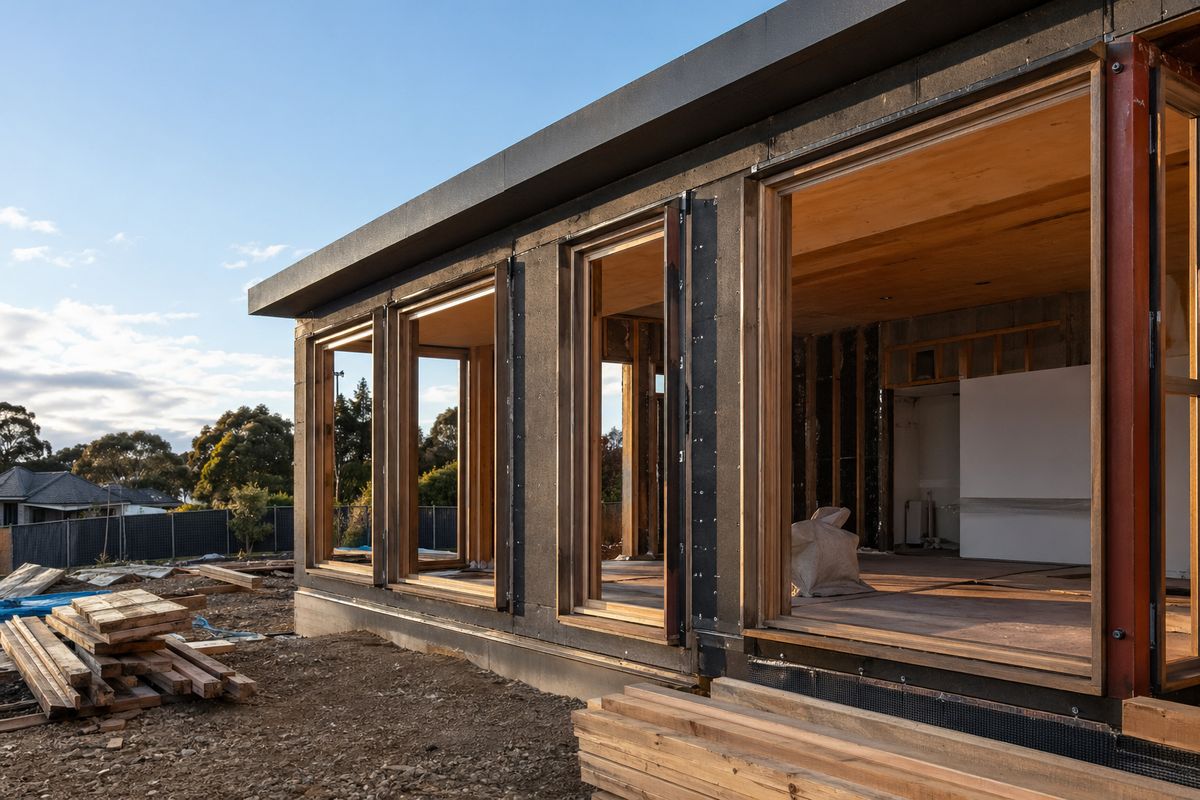
Planning Your Windows Early Makes All the Difference
When building a new home in Melbourne, window selection is one of the earliest and most impactful decisions you will make. Windows affect everything — from the amount of natural light in each room to your energy bills, street appeal, and long-term comfort. Getting your window choices right at the planning stage saves time, money, and potential regret down the track.
Whether you are building in established suburbs like Camberwell and Glen Iris or newer developments in Melbourne’s growth corridors, this guide will help you navigate the key considerations.
Understanding Window Types and Where to Use Them
Different rooms and orientations call for different window styles. Here is a quick overview of the most popular options:
Double-hung windows are a classic Australian choice, ideal for bedrooms and living areas. They provide excellent ventilation control and suit both traditional and contemporary home designs.
Casement windows hinge open outward, capturing breezes effectively. They work well in kitchens, bathrooms, and areas where maximum airflow is desirable.
Awning windows hinge at the top and can be left open during light rain while still allowing ventilation. They are a practical choice for Melbourne’s unpredictable weather.
Fixed windows do not open but provide uninterrupted views and maximum natural light. They are commonly used in combination with operable windows to create stunning feature walls.
Choosing the Right Frame Material
The frame material you choose affects the look, performance, and maintenance requirements of your windows. The two most popular options in Melbourne are timber and aluminium.
Timber frames offer unmatched warmth, character, and natural insulating properties. They are the preferred choice for homeowners who value aesthetics, heritage charm, and superior thermal performance. Timber frames can be painted or stained to match any interior design scheme.
Aluminium frames are lightweight, durable, and low maintenance. They suit contemporary designs and are available in a wide range of powder-coated colours. However, aluminium conducts heat more readily than timber, which can affect energy efficiency unless thermal breaks are incorporated.
Energy Ratings and Glazing Options
All new homes in Victoria must meet minimum energy efficiency requirements under the National Construction Code. Window selection plays a major role in achieving compliance, particularly regarding the Window Energy Rating Scheme (WERS).
Key glazing considerations include single versus double glazing, low-E coatings that reflect heat while admitting light, and tinted or laminated options for noise and UV reduction. Your builder and window supplier should work together to ensure your glazing choices meet or exceed the minimum energy star ratings required for your climate zone.
Orientation and Natural Light
In Melbourne, north-facing windows capture the most winter sunlight, helping to passively heat your home during the cooler months. East and west-facing windows require careful glazing selection to manage summer heat gain, while south-facing windows provide consistent, glare-free light without excessive heat.
Thoughtful window placement, combined with appropriately sized eaves and external shading, can dramatically reduce your reliance on artificial heating and cooling.
Working with Valley Windows on Your New Build
At Valley Windows, we work with homeowners, owner builders, and custom builders across Melbourne to deliver bespoke window and door solutions for new homes. With over 40 years of manufacturing experience, we offer expert guidance on window types, materials, and glazing options to suit your design vision and energy requirements.
Every window we produce is made to measure at our Melbourne facility, ensuring a perfect fit and outstanding quality. Visit our showrooms to explore the full range or contact us to discuss your project.


