 40+ Years Experience
 Locally-Sourced Materials
 Australian Quality Standard
Sustainable Building: Why Timber Windows Are the Environmentally Friendly Choice
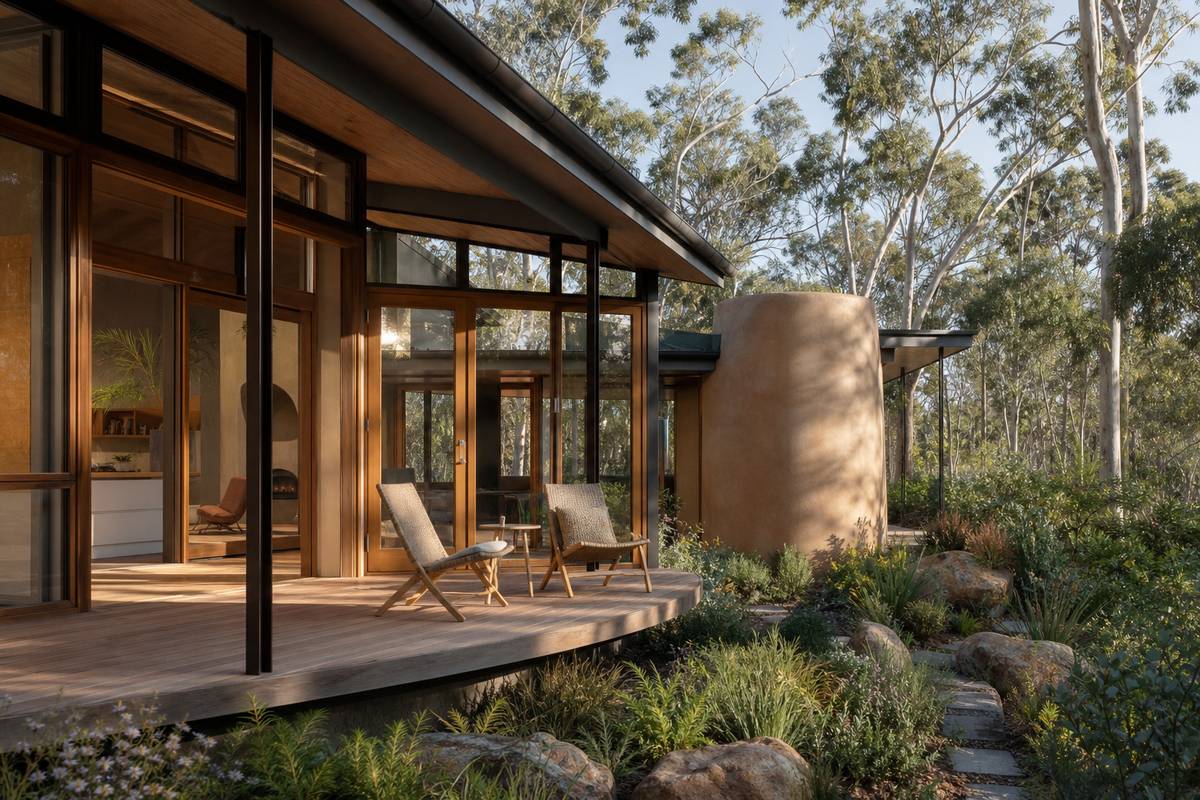
Building Sustainably Starts with Material Choices
As environmental awareness grows across Australia, more homeowners and builders are looking for ways to reduce the ecological footprint of their projects. Window and door selection plays a surprisingly significant role in the sustainability of a home — from the materials used in manufacturing to the energy performance over the life of the building.
Timber windows stand out as one of the most environmentally responsible choices available. Unlike aluminium or uPVC, timber is a renewable resource that stores carbon, requires less energy to produce, and delivers outstanding thermal performance throughout its lifespan.
Timber: A Renewable, Carbon-Storing Material
Trees absorb carbon dioxide as they grow, locking carbon into their timber. When that timber is used in building products like windows and doors, the carbon remains stored for the life of the product — often many decades. This makes timber a carbon-negative material at the point of manufacture, a claim that neither aluminium nor plastic-based alternatives can match.
Responsibly sourced timber, harvested from sustainably managed forests, ensures that new trees are planted to replace those used. This cycle of growth, harvest, and replanting creates a genuinely renewable supply chain that supports both the building industry and the environment.
Lower Embodied Energy Than Alternatives
Embodied energy refers to the total energy required to extract, process, manufacture, and transport a building material. Aluminium production is notoriously energy-intensive, requiring the mining of bauxite and smelting at extremely high temperatures. The embodied energy of aluminium window frames is many times higher than that of equivalent timber frames.
By choosing timber windows, homeowners and builders can significantly reduce the embodied energy of their projects. This is an important consideration for anyone pursuing green building certifications or simply wanting to make more responsible choices.
Energy Efficiency in Melbourne’s Climate
Sustainability is not only about the materials themselves — it is also about how a building performs once it is occupied. Timber is a natural insulator with low thermal conductivity, meaning it does not readily transfer heat or cold between the inside and outside of your home.
In Melbourne’s climate, where temperatures can swing from single digits to the high 30s across a single week, this insulating quality is invaluable. Timber-framed windows, especially when paired with energy efficient glazing, help maintain comfortable indoor temperatures with less reliance on heating and cooling systems. The result is lower energy consumption and reduced greenhouse gas emissions over the life of the home.
Longevity and Recyclability
Well-maintained timber windows can last 60 years or more, far outlasting many synthetic alternatives. When they do eventually reach the end of their useful life, timber is biodegradable and recyclable — it does not end up as persistent waste in landfill the way plastic-based window materials can.
Valley Windows uses quality hardwoods and applies advanced timber treatments to maximise the lifespan of every window and door we manufacture. Proper care and maintenance ensures that your investment in timber windows will reward you for decades to come.
Making the Sustainable Choice with Valley Windows
At Valley Windows, sustainability aligns naturally with our commitment to quality Australian craftsmanship. We have been manufacturing timber windows and doors in Melbourne for over 40 years, and we believe that choosing timber is one of the best decisions you can make for both your home and the environment.
Whether you are an owner builder managing your own project or working with a custom builder, our team can help you select the right timber window and door solutions for a sustainable, beautiful home. Visit our showrooms or contact us to learn more.


