 40+ Years Experience
 Locally-Sourced Materials
 Australian Quality Standard
Designing for Privacy Without Losing Light: Smart Window Solutions for Urban Homes
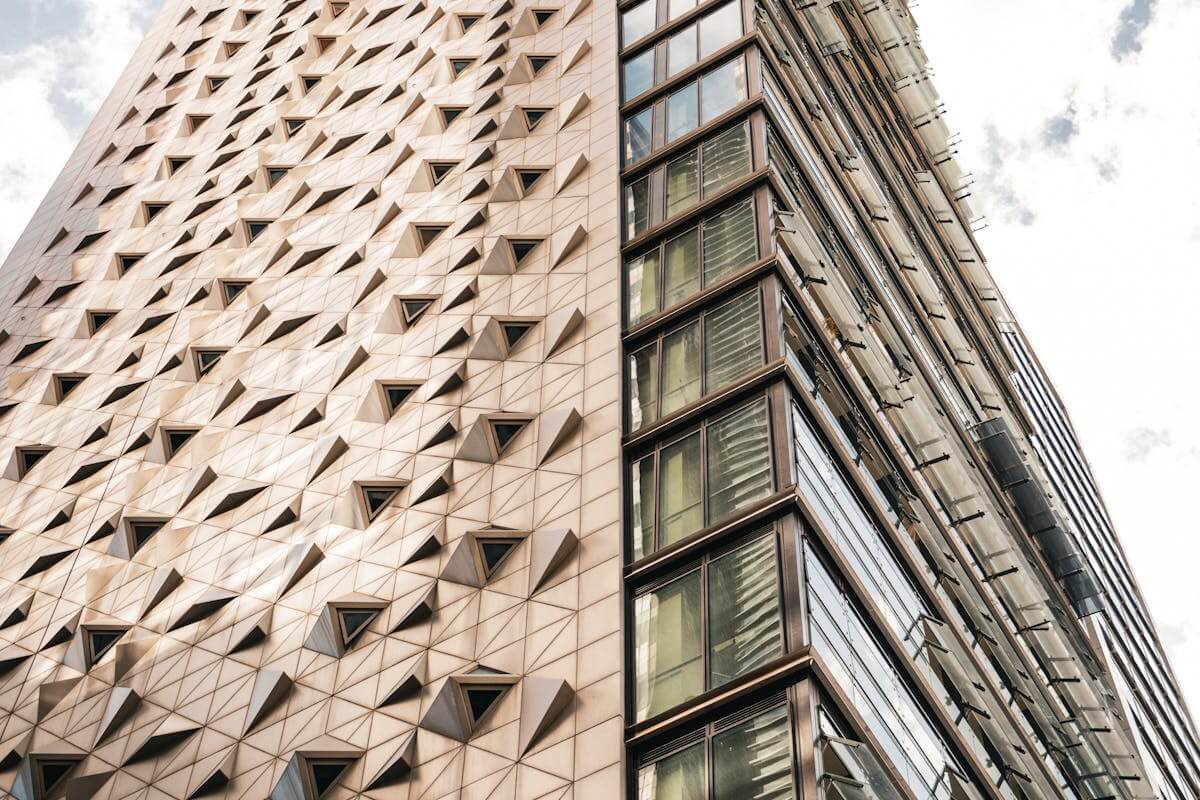 Urban living in Melbourne offers convenience, vibrant neighbourhoods, and access to great amenities, but it also presents challenges when it comes to privacy. Close-set homes, apartments, and busy streets can make it difficult to enjoy natural light without feeling exposed. Many homeowners assume that increasing privacy means sacrificing daylight, yet with thoughtful window design, it’s possible to achieve both.
Smart window solutions allow homeowners to maintain privacy while still welcoming natural light into their living spaces. Through careful placement, glazing selection, and design features, windows can protect personal space without making interiors feel dark or enclosed.
Strategic Window Placement for Urban Homes
Where windows are positioned is just as important as their size. In urban environments, strategic placement can significantly improve privacy without compromising light.
Effective placement strategies include:
- High-set windows: Placed above eye level, these allow light to enter while preventing direct views from neighbouring properties.
- Clerestory windows: Ideal for urban homes, bringing daylight deep into interiors while maintaining privacy.
- Corner and angled windows: Direct light into rooms without exposing interiors to direct lines of sight.
- Rear and side-focused glazing: Maximises light from less exposed areas of the property.
By adjusting window placement, homeowners can enjoy brighter interiors while keeping personal spaces protected.
Glazing Options That Enhance Privacy
Modern glazing technology plays a key role in balancing privacy and light. Instead of blocking windows with heavy coverings, homeowners can use advanced glazing solutions that soften visibility while maintaining brightness.
Popular glazing options include:
- Obscure or frosted glass: Allows light to pass through while blurring views, ideal for bathrooms and street-facing rooms.
- Textured glass: Adds visual interest while reducing transparency.
- Tinted glass: Minimises glare and visibility without significantly reducing daylight.
- Double glazing: Improves acoustic and thermal performance while offering flexibility in glass selection.
These options help create comfortable interiors that feel open yet private, even in densely built areas.
Using Window Size and Proportion Wisely
Large windows are often associated with openness, but in urban homes, proportion is key. Windows that are too large or poorly positioned can reduce privacy, while smaller or well-proportioned openings can still deliver excellent natural light.
Design considerations include:
- Balancing window size with wall space to limit visibility from outside.
- Using vertical window designs to draw in light while narrowing sightlines.
- Combining multiple smaller windows instead of one large opening for better control.
- Integrating window placement with internal layouts and furniture positioning.
Thoughtful proportions ensure homes feel bright without feeling exposed.
Well-proportioned windows also contribute to balanced interiors. Oversized openings can lead to glare or heat loss, while smaller, strategically placed windows provide controlled light, better insulation, and a more comfortable indoor environment throughout the year.
Complementary Design Features for Added Privacy
Windows work best as part of a broader design approach. Complementary features can further enhance privacy without blocking light.
Helpful additions include:
- Sheer blinds or light-filtering curtains that soften views while maintaining brightness.
- External screens or louvres that control sightlines and sunlight.
- Landscaping elements such as hedges or vertical gardens to create natural barriers.
- Interior zoning to position private spaces away from exposed façades.
In urban Melbourne homes, these elements work together with smart window design to create adaptable spaces that respond to changing light conditions, neighbouring buildings, and daily routines, ensuring privacy throughout the day without compromising comfort or openness.
Long-Term Benefits of Privacy-Focused Window Design
Designing windows with privacy in mind delivers more than immediate comfort. Homes that balance daylight and discretion often feel calmer, more secure, and more enjoyable to live in.
Key benefits include:
- Enhanced comfort in densely populated areas
- Reduced need for heavy window coverings
- Improved natural lighting and energy efficiency
- Greater property appeal and long-term value
For Melbourne homeowners, these advantages make smart window design an essential part of modern urban living.
Final Thoughts
Privacy and natural light don’t have to be opposing goals. With thoughtful window placement, carefully chosen glazing, and supportive design features, urban homes can enjoy bright, welcoming interiors without compromising personal space. Smart window solutions allow Melbourne homeowners to adapt to urban environments while maintaining comfort, functionality, and style.
By planning windows strategically and considering how each space is used, it’s possible to create homes that feel open yet private — perfectly suited to the realities of modern city living.


